CREA.T.Y.V.

The European development agency now participates in a new international project which has started on the 1st April 2017. The project called CREA.T.Y.V. will run for 24 months and there are five participants from the Czech Republic, Italy, Ireland and Romania. The project aims at engaging young people with limited social opportunities to the community thus, increasing their self-confidence and social skills so that they could become active agents in shaping the future society. CREA.T.Y.V. is financed from the Erasmus + programme.

There will be a kick-off meeting in Bucharest in the beginning of May. All the partners will exchange their ideas and opinions on the project’s development there. Also, the lead partners will present the educational method of Creative drama which is the core tool of this project. For more information please see our CREA.T.Y.V. description here.

First press release of VINA (Validating Informal and Non-formal Acquired Skills)

Vina
Erasmus plus logo
 
 
31 March 2017
 PRESS RELEASE
 VINA (Validating Informal and Non-formal Acquired Skills)
a EU co-funded project about skills validation in Adult Education
EURO, an Italian Research Centre, Promotion and EU Initiative, along with partner organisations from UK (European Learning Network Ltd), Czech Republic (Evropská rozvojová agentura s.r.o.), Greece (K Poulopoulos E.P.E.) and Poland (Fundacja Instytut Rownowagi Spoleczno Ekonomicznej) has been successful in gaining Erasmus+ funding for this interesting and important project for the Adult Education sector across Europe.
Erasmus+ is the EU’s programme to support education, training, youth and sport in Europe. Its budget of €14.7 billion will provide opportunities for over 4 million Europeans to study, train, gain experience, and volunteer abroad. The VINA project is approved under Key Action 2 – Cooperation for Innovation and the Exchange of Good Practices – of the programme Erasmus+ managed by the Italian National Agency Erasmus Plus Indire.
VINA (Validating Informal and Non-formal Acquired Skills) project is aimed at educators, assessors, lecturers and other main users who need to update competences and skills of adults in the informal and non-formal sector to match the needs of the 21st century. The project consortium will develop:

  • a database of Instruments for Validating Informal and Non- Formal Learning;
  • a Recognition Opportunities Tendency Analyser (R.O.T.A.)

By involving external partners, adult colleges, assessors, lecturers, public sector institutions, trainers, teachers and the wider community, the 5 partners will, through thorough research, create a database and an easy-to-use online validation tool. Both will be available as an Open Resource.
More information about the project can be found at www.vinaproject.eu
 
Contacts
Project Coordinator: EURO
Viale dell’Olimpo n° 30a – 90147 Palermo (Italy)
E mail: info@associazioneeuro.org
Dissemination Coordinator: European Learning Network Ltd
152 City Road, London EC1V 2NX – UK
E mail: info@elnpartner.co.uk


“This project has been co-funded with support from the European Commission.

This publication reflects the views only of the author, and the Commission cannot be held responsible for any use which may be made of the information contained therein.”

GYMSEN project came succesfully to an end

The GYMSEN Project, funded by Erasmus+ call has had as objective the development of a methodology for helping to prevent and retard both the sensory and cognitive declines of elderly people, especially of smell and taste. The project has developed a training tool by which participants have exercised their sensory capacities during the project.

The project came to an end on the 31st of August and we can say that it was a success. The training programme, which was piloted in cooperation with Prave ted was accepted with great pleasure by the trainers and incorporated to the day-to-day activities of the organisation. We hope the idea of training the sensory capacities and motivating seniors toward healthy lifestyles will spread to seniors´organisations nation wide.

During the project a new partnership was created and Prave ted together with the coordinator the GYMSEN project are currently developing another project. The MemTrain project focuses on combining physical activities and brain training to reach healthy ageing by people 55+.

You can read more about the project in the attached press release.

GYMSEN – final press release from Stepana Tezka

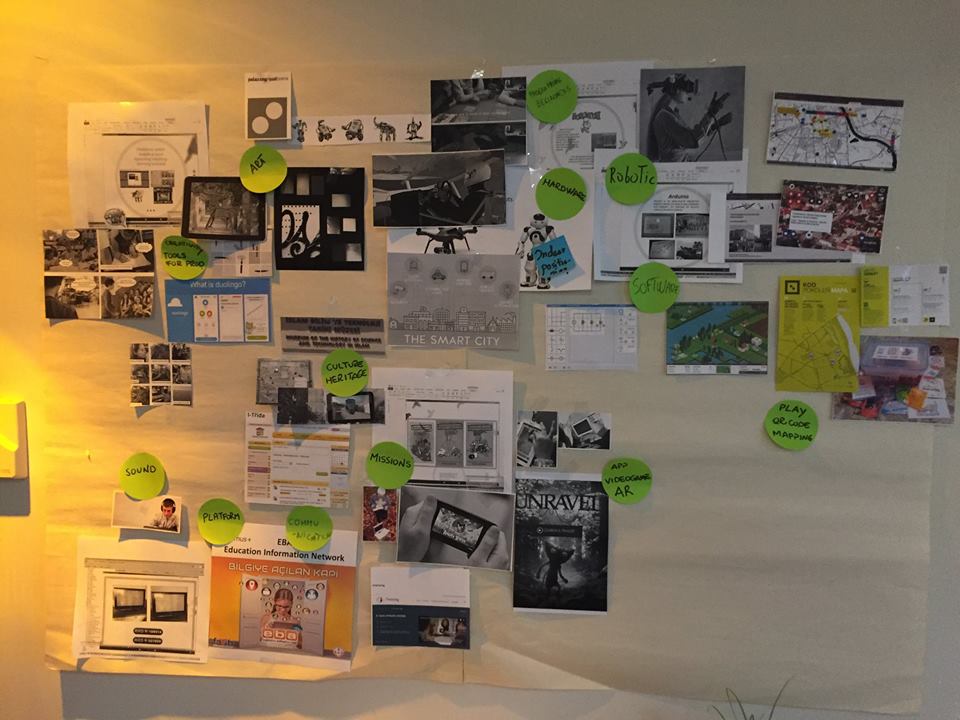
APP YOUR SCHOOL kick-off meeting took place in Prague!

European development agency organized a kick-off meeting for APP YOUR SCHOOL project on 17th and 18th October. Nearly all of the project partners attended, therefore we had the pleasure to welcome here in Prague members of italian educational centre Zaffiria, that is a leading partner of the project, turkish Esenler District Educational Authority, portuguese AENIE, polish Modern Poland Foundation, finnish Kuopion city and their stategic partners from finnish education centre SAVONIA, greek KARPOS and EUDA, in cooperation with high school Otrokovice, attended for the Czech Republic.
 
During the kick-off meeting partners discussed important issues and planned their future steps, as well as the most effective outputs dissemination and implementation.
 
Project APP YOUR SCHOOL is focused mainly on children and younsters in 11 – 16 years of age education. Its aim is to develop some of the crucial abilities of a person in 21st century –media literacy and digital competence. This should be achieved with the help of inovative educational technologies, which use ICT.
 
Therefore, project seeks to create so called „digital ateliers“, that should encourage creative using of new media in everyday life. These ateliers will be produced in compliance with competencies desirable in contemporary world, as well as methodologies of Alberto Manzi and Bruno Munari, famous italian tutors and innovators in using ICT in education. One of the project goals  is also familiarization of teachers with project outputs, so these can be succesfully implemented into education system.
app-your-school-obr-1 app-your-schol-obr-2

Czech partners involved in the project Mobile mechanic on the European market!

At the turn of September and October 2016, the mobility of 17 Polish students held in Prague in the framework of the project Mobile mechanic on the European market financed by the European Social Fund, Operational Programme Research, development and education. Thanks to ERA there were involved also two high schools from Czech Republic, Střední škola technická Zelený Pruh and Střední průmyslová škola dopravní a.s., which hosted students of Motor vehicles, ships and aircraft from Marshal Jozef Pilsufski Schools in Szcuczyn, Poland.

111 logo

The aim of this project was to gain work experiences in high qualified companies of the automotive industry in Czech market, acquisition of new skills related to the profession and deepening the knowledge acquired in school. Sub-objective was also improving language skills, especially English. In addition, Polish students participating in the project acquainted with the culture and traditions in the Czech Republic.

During the three-month mobility they attended practical internships in car services and rich culture program with Prague and Kutná Hora sightseeing, which the European development agency had prepared to them.

The European development agency would like to continue in cooperation with the mediator of this project. They already plan another educational mobility for Polish teachers at the beginning of 2017. There the teachers will be supposed to attend job shadowing in Czech schools and gain experiences of the real teaching at a foreign school in practice.

img_8533   img_8429

Prague 9 to implement a network under the URBACT III programme

URBACT_III immagine

On the 3rd of May, the European Development Agency and one of our clients – members of the Partnership Network, the Municipal District of Prague 9, received a very important and good news: the Procure network, in which Prague 9 is directly involved, got approved for the second phase of URBACT III programme.

URBACT III: the cities‘s collaboration to solve urban common problems

URBACT III supports European towns and cities in different thematic areas and through different funding schemes. One of these schemes is the so called Action Planning Networks. Only 20 Action Planning Networks got approved for the second stage of implementation; their main goal is to ameliorate the ability of cities to manage sustainable urban policies and to increase the capacity to conceive integrated strategies for sustainable urban development. The perspective is to improve local policies through concrete action planning. The 20 projects which got approved are especially focused on regaining unused urban assets, supporting local businesses and entrepreneurship so as to encourage local employment, facing urban problems such as the efficiency of public services and policy responses, supporting sustainable transports, caring for the food chain and increasing cities’ resilience.

The are two more types of URBACT networks which can be joined by cities: the Implementation Networks, that support cities with the delivery of an existing integrated urban action-plan, and the Transfer Networks, which help cities in adjusting a good-practice to improve their urban policies.

The URBACT programme is co-financed by the European Regional Development Fund. Its calling is to push cities to work together and to elaborate integrated solutions to common urban problems.

The PROCURE project: building up a good local economy through procurement

European cities impulse regional growth, innovation and employment creation. Wherefore, towns and cities of all sizes across Europe have a decisive importance in bettering the quality of life for citizens; local economies are fundamental to local economic prosperity. However, because of the 2008 crisis, cities are not facing an easy situation: insufficient financial resources to supply services, unemployment and inequality.

A possibility to help local economies to grow is by stimulating local purchasing and spending with local businesses. Governments and other public authorities pay up abundant amounts of public money buying works, goods or services through contracts with suppliers (“public procurement”). Evidently, in a hard financial moment like the current one, it is necessary that they get the most benefit out of the procurements, not only in terms of value for money but also in terms of being eco‐friendly and socially responsible. But, although public and „anchor“ institutions are spending a lot, much of this consume does not remain within the local economy. Moreover, for cities, it is hard to innovate within the procurement process as it is considered extremely bureaucratic.

The policy question therefore is how to influence this economic power, handled through procurement, to guarantee that as much as is possible is spent locally and in such a way that it can deliver economic, social and environmental advantages for the local economy and its population, instead of using it as a simple way for purchasing goods and services.

There are many possible solutions that cities could employ, but towns on their own may not have the resources, the capability or the necessary information to implement these new ideas. That is why collaboration and exchange of expertise in Europe are two fundamental elements, and this is precisely the ambition of the Procure project: to create a good local economy through procurement.
logo procure project grande

The Procure project involves 11 partners all over Europe: the city of Preston (UK), which is the lead partner, the cities of Albacete and Candelaria (Spain), the city of Almelo (Netherlands), the cities of Koszalin and Lublin (Poland), the metropolitan city of Bologna (Italy), the city of Koprivnica (Croatia), the city of Nagikallo (Hungary), the District of Prague 9 (Czech Republic) and the County of Satu Mare (Romania).

The cities’s profiles have been deeply analysed in order to build up specific objectives and activities of the project. The main identified challenges in the involved cities are: the lack of awareness among local business base of opportunities, a bureaucratic and rigid national level law, the suspicion of corruption in procurement/risk aversion, the rigid judgement beyond price in procurement decisions, the internal procurement inexpertise and incapacity.

Therefore, the Procure network established three objectives: to supply a wider understanding of procurement and of which achievements are viable and which are not; to change procurement cultures; to optimize the economic, social and environmental towns’s benefits of procurement.

In order to accomplish all these objectives, 8 transnational and thematic meetings are planned: the first is going to take place in June 2016 in Lublin and here partners are going to discuss about law and regulations at a European and national level and about the possible cities’s actions concerning procurement innovation. The second meeting is planned for September 2016 in Satu Mare; it is going to concern the way to develop a procurement strategy and partners are going to line out where a local procurement spend goes. The third thematic meeting is going to be held in Albacete in December 2016 and it will focus on developing and using social criteria in procurement. The following meeting is going to take place in Koprivnica in March 2017 and it will focus upon how local businesses and SMEs can be more efficiently engaged with procurement and how awareness can be reached. The fifth meeting is going to be held in Candelaria in June 2017 and in this case the topic will concern the development and the practice of environmental criteria of procurement. During the meeting in Koszalin, planned for September 2017, partners will discuss about the way in which cities can constantly monitor the impact of their procurement decisions and spend. The seventh meeting will be held in the district of Prague 9 and partner will review the Integrated Action Plans draft. The conclusive meeting is planned for 2018 and it will take place in Bologna.

Thanks to EUDA, the district of Prague 9 is going to receive 33 950 € from the ERDF (85 % of the total budget of 48 499 €) in order to face the above mentioned challenges.

UrbactIII mano

Before of URBACT III: URBACT II

The participation of this Czech Municipality in a successful URBACT project is considered a huge achievement, also considering that, from the first implementation of the URBACT programme in 2002 until now, just 10 Czech cities contributed to a successful URBACT project.

In the past, the European Development Agency helped another client to get involved in a URBACT project: the municipality Ústí nad Labem participated into the PREVENT project, which was focused on early school leaving. Basing on the local context and needs, the municipality of Ústí nad Labem built up the Local Education Plan, the main output of the project, in which it is underlined the importance of the collaboration between schools and families in order to prevent this social problem and all its social costs. Main measures included the creation of a Platform for meetings of schools, the improvement of the school climate through the encouragement of professional occupations at schools and the truancy prevention.

EuDA has a notable experience in the international pattern and has leaded and coordinated many large-scale projects funded by the European Union. Some successful implemented projects include Erasmus Work Placements Consortium with two top Prague’s universities, organization of PLM mobilities (Transnational Placements in Enterprises) within the Lifelong Learning Programme, the  DENS Project (within the PROGRESS Programme), Key Roma and I am Roma Projects, Current Trends in Social Innovation Project and Active Ageing Project within ESF Programme, four innovation projects in the Central Europe Programme (ACCESS, BICY, E2BEBIS and CENILS) and others.

If you want to get involved in URBACT, notice that there is a call for Implementation Networks going on with deadline on 22/06/2016!

GYMSEN's piloting testing started in Prague

  gymsen_logo

On the 28th of April, the pilot testing of the GYMSEN project started in Prague. The whole piloting course is going to last 10 weeks; it is divided into 10 sessions, a session per week is planned and each one is going to last 60 minutes.

P1170209 P1170207

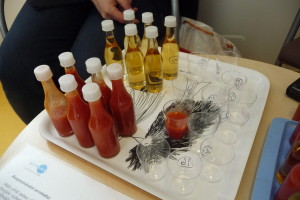
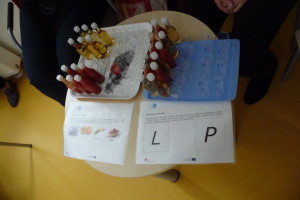
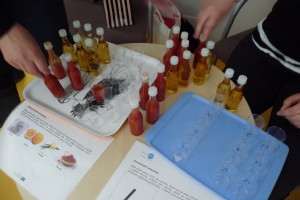
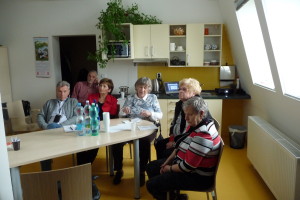
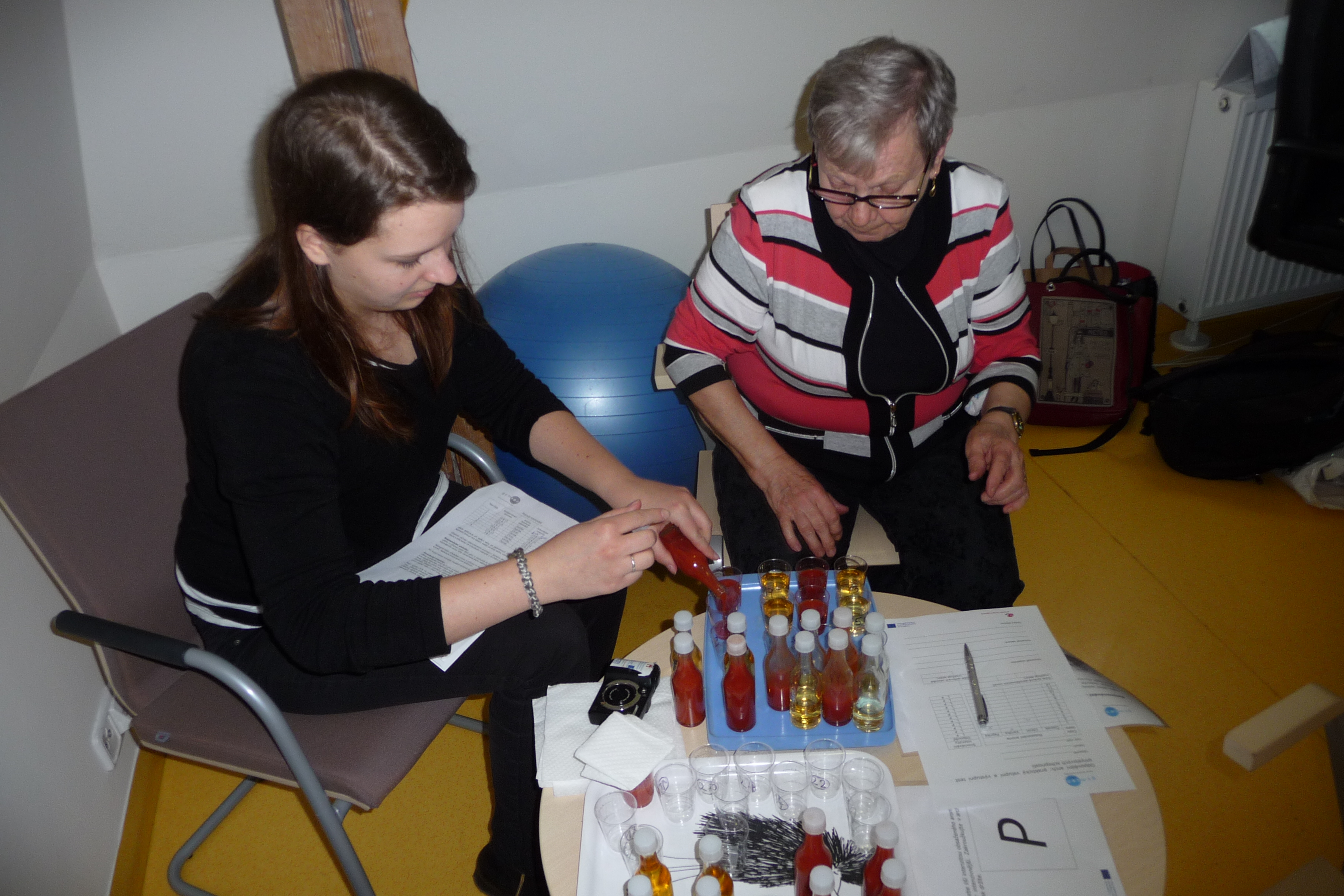
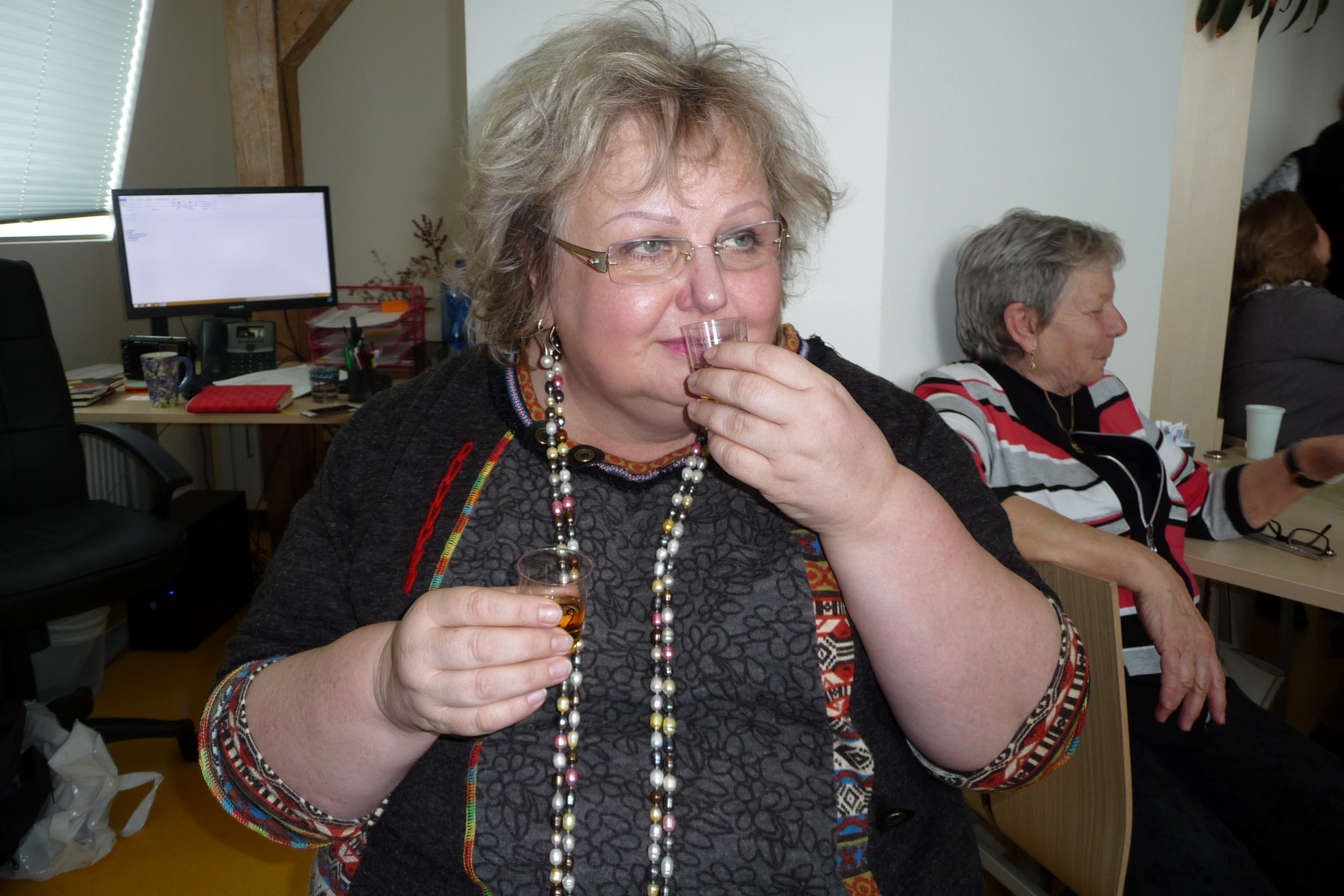
In the Czech Republic, the target group involved into the piloting testing includes 10 healthy seniors. During the first session, this group was introduced to the GYMSEN project, moment in which they got informed about the programme of the course and the main activities they will have to perform. During the second part of this first session, the group realized two questionnaires: one about Mini Nutritional Assessment and one about their sensory perception of food. The most interesting part of the first session was the practical excercises where the ability to recognize odour intensity and identity was tested.

The following sessions are consisting of basic and complex exercises with tomatoes, apples and other spices or herbs, in which seniors will have to smell and taste ingredients and to recognise differences between them. They will also have to prepare recipes and to play to some memory games with herbs and spices. In the penultimate session, the group is going to attend to a documentary about international food, healthy food and new food and participants will have the opportunity to discuss about it. During the very last session, some evaluation and satisfaction questionnaires are going to be leaded and the practical test is going to be run once again in order to be able to make the comparison.

The very aim of this project is to create a training programme for seniors in order to improve their sensory capacities. For more information about the project you can click here.

P1170201 P1170204

For the GYMSEN project, EUDA can count on the collaboration of Právě teď o.p.s., an NGO based in Prague with the mission to change the public perception about seniors and to change the seniors’ perception of themselves. The organisation has been established in 2013. At the moment, Právě teď is looking for projects to join. For more information about this organisation, you can click here.

P1170219   P1170236 (1)

                      funded by erasmus plus

GYMSEN mentoring event in Prague: sensory training programme to be launched soon

gymsen meeting

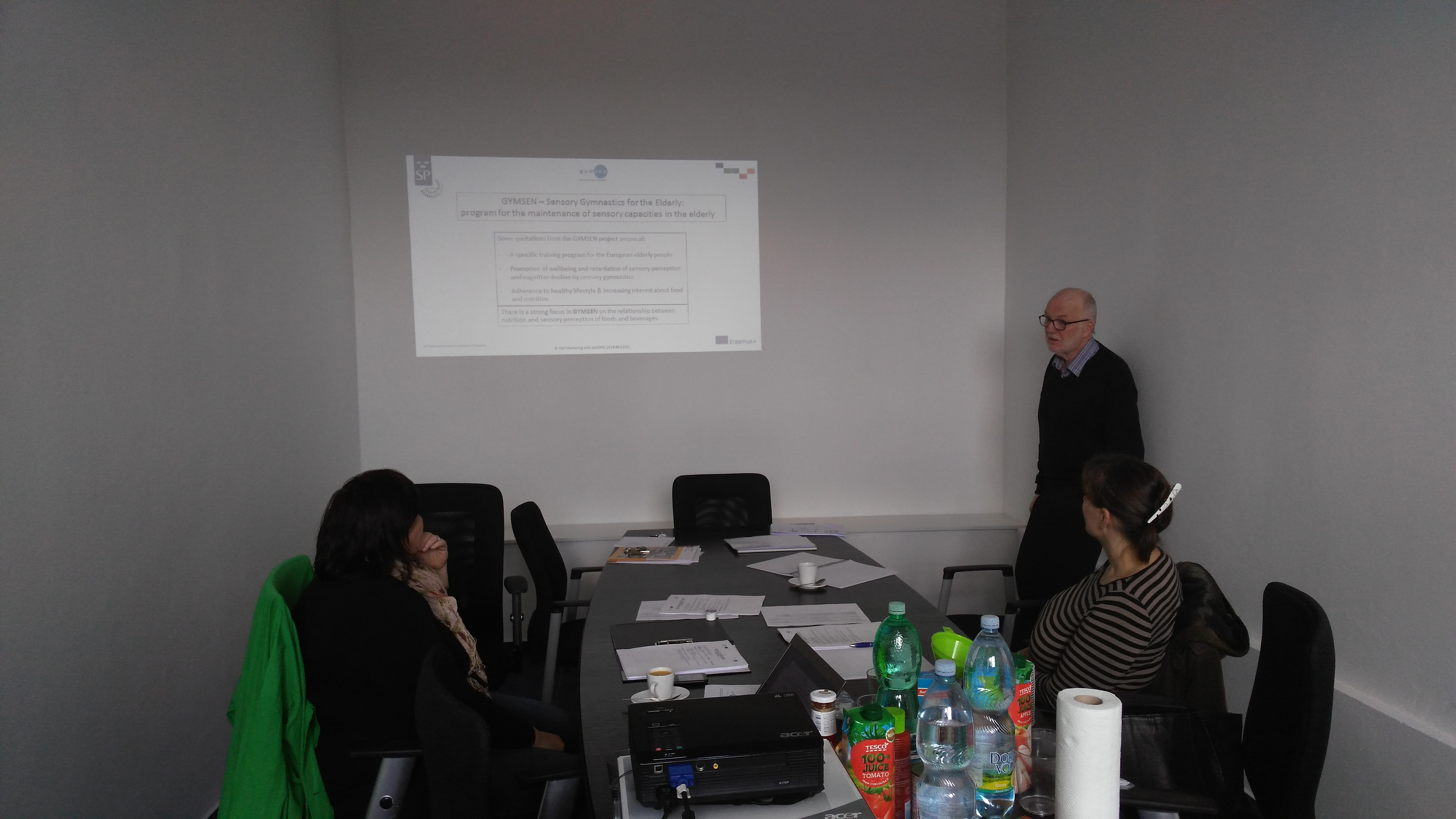
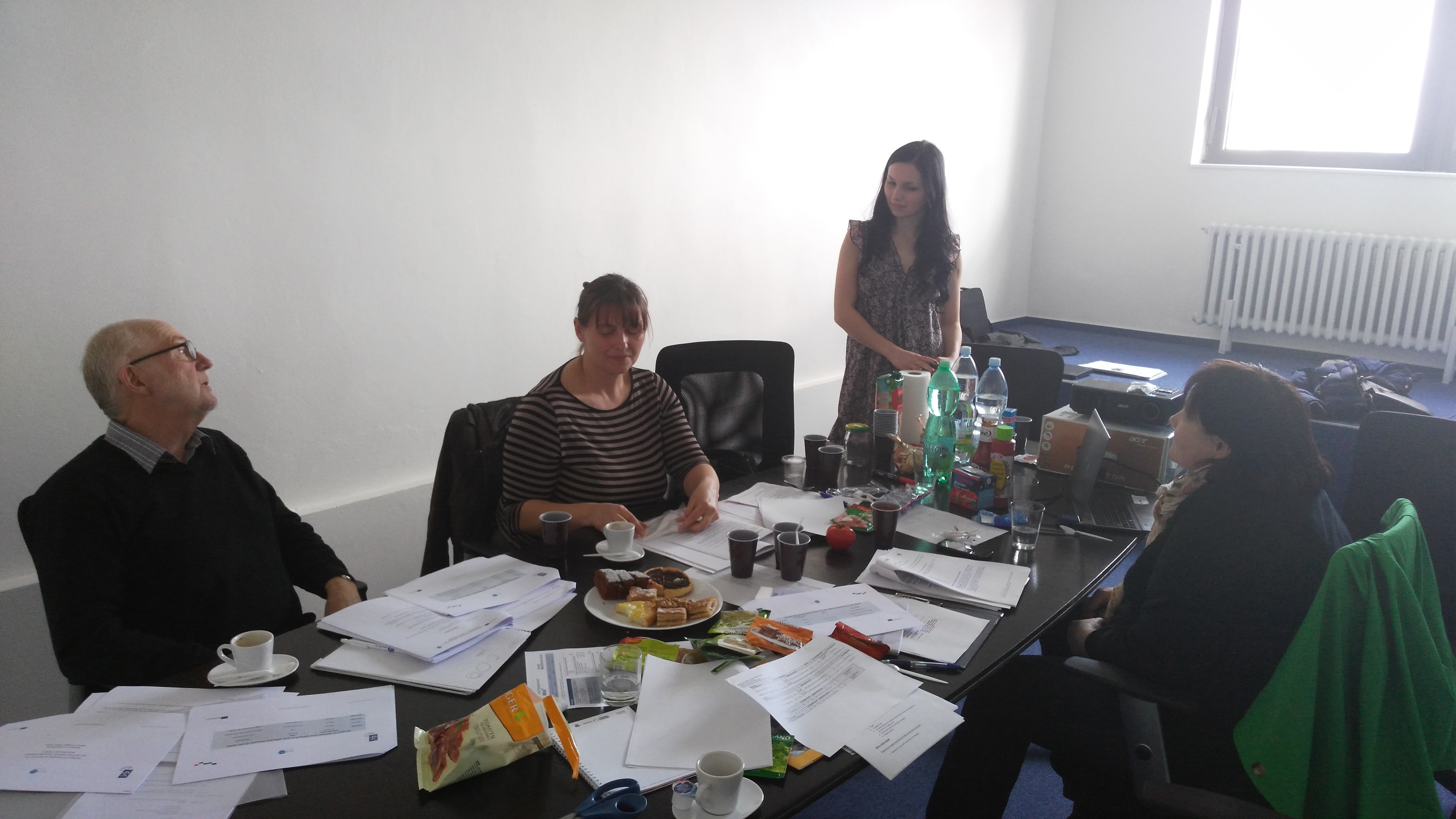
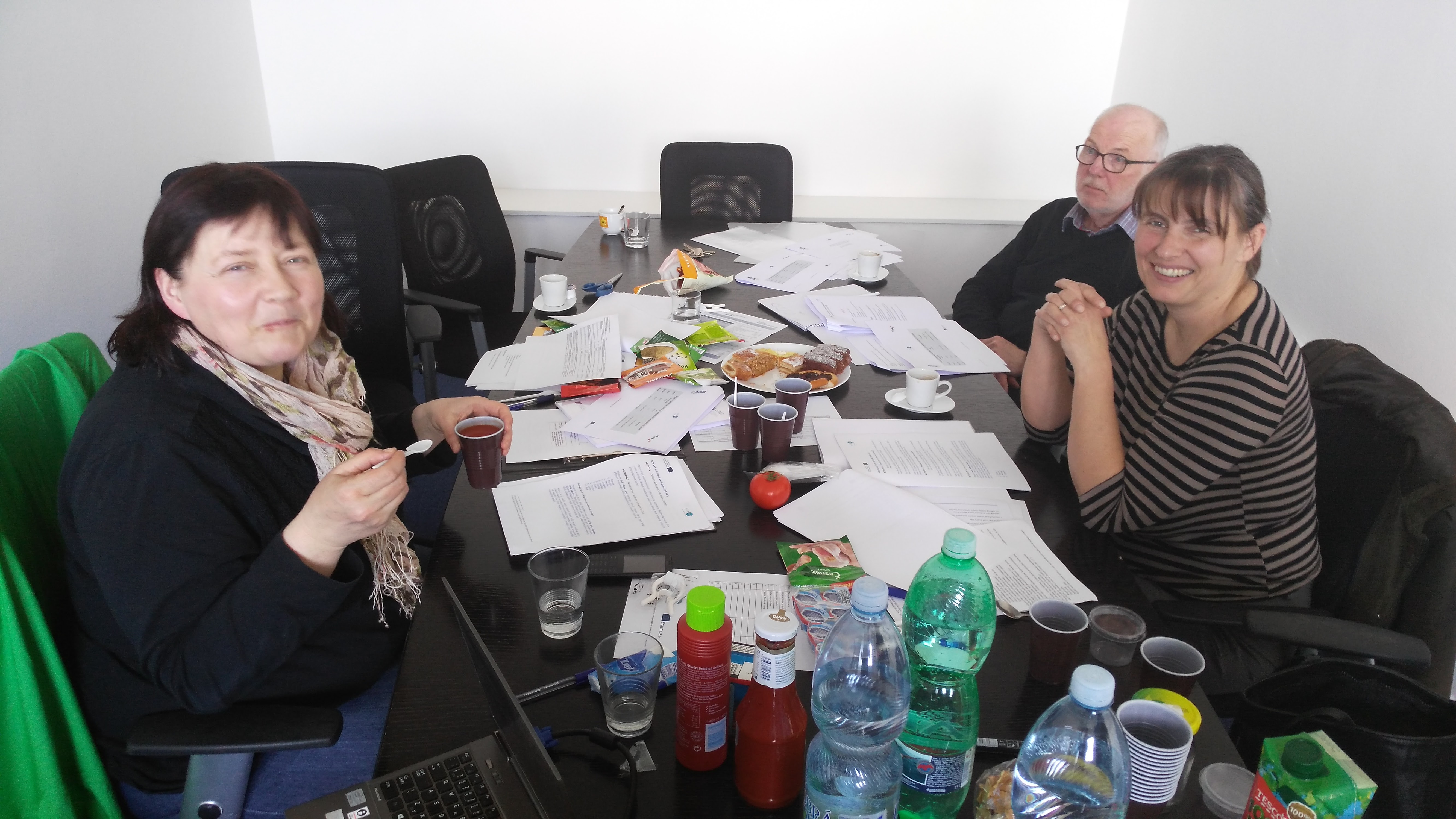
On the 28th of March, one of the most important meetings of the GYMSEN project took place in Prague, Czech Republic. European Development Agency had the pleasure to welcome Mr. Gunnar Hall, the representative of the research centre SP from Gothenburg, Sweden. The other participants were two Prague memory-trainers, Mrs. Iveta Luxová and Mrs. Pavlína Boučková, and the project manager from EUDA, Štěpána Těžká. The aim of the meeting was to agree on the final programme of the GYMSEN sensory training pilot and to inform Mrs. Luxová and Mrs. Boučková about the methodology of the project.

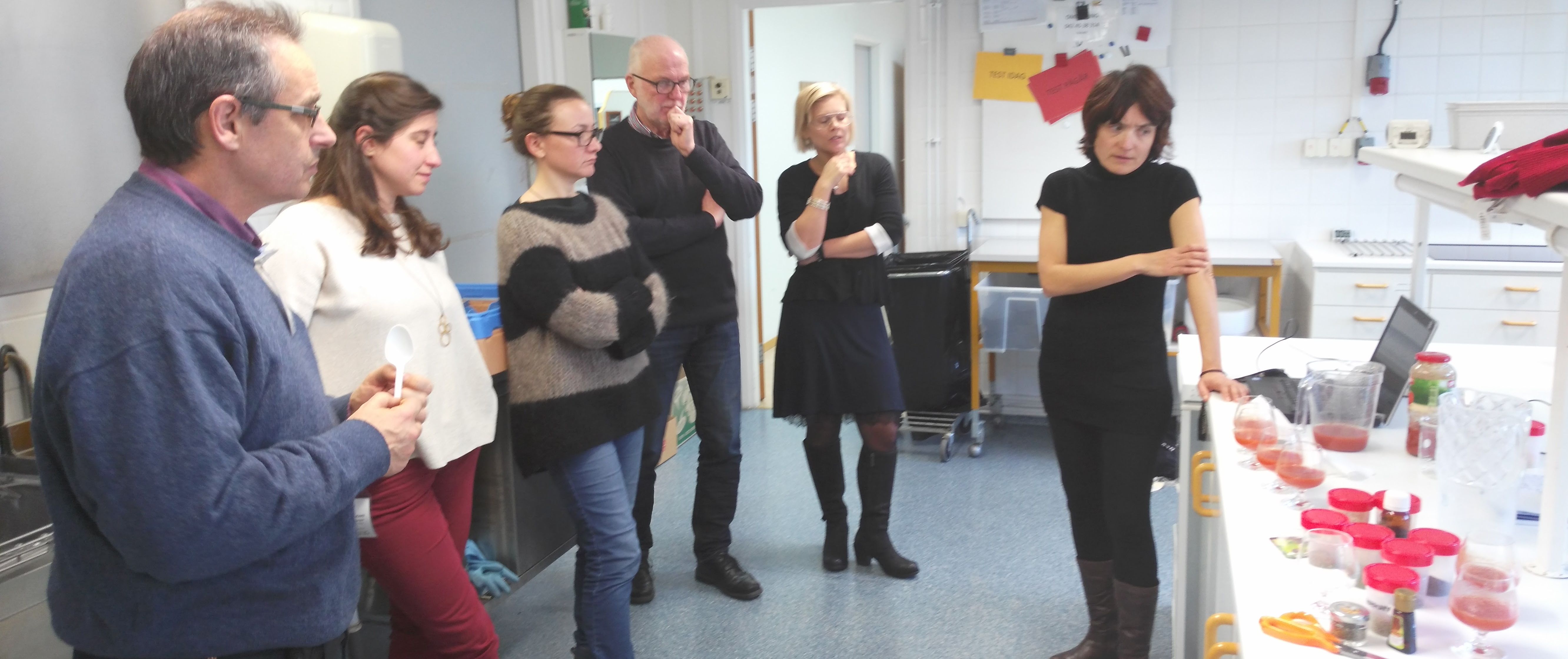
Mr Hall presented the project and explained some interesting notions about the olfactory system and olfaction as such. After his presentations, all the partners could participate to the practical part of the meeting, trying out some exercises that will be used with the target group in a few weeks. At the end of the meeting, partners discussed about the final programme of the piloting course and reached agreement about it. The pilot testing will start in the last weeks of April with a group of 10 Czech seniors.

IMG_20160329_132117   IMG_20160329_133101

IMG_20160329_160647    IMG_20160329_160614

The aim of the GYMSEN project is to create a training programme for seniors in order to enhance their sensory capacities; it focuses mainly on olfactory, taste and touch. The project work plan is made up of four main parts:

  • The study of needs (questionnaire survey among seniors and their caregivers or relatives)
  • The creation of the training program and materials
  • The test of the pilot version in each country
  • The dissemination of the program among organizations working with the elderly

The GYMSEN project started in September 2014 and will last until August 2016. In April there will be pilot testing sessions not only in Prague but also in Spain, in Italy and in Greece. After the pilot testing the programme will be amended and published. During the summer there will be multiplier events to promote the outputs of the project.

You can read more about the project here.

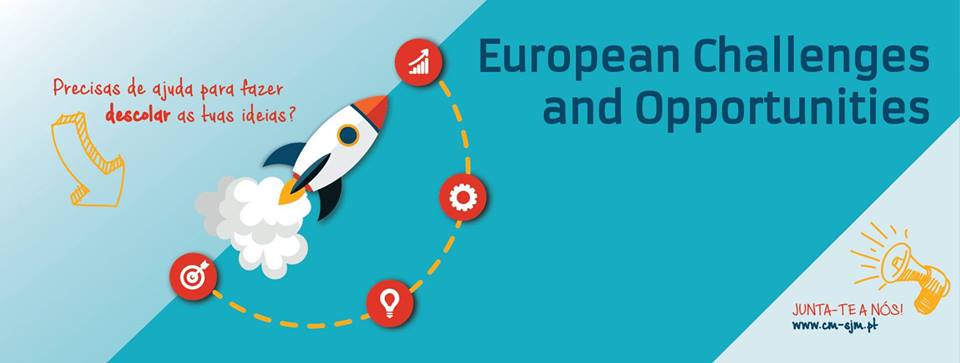
Kickoff meeting of ECO project took place in S. João da Madeira

ECO banner

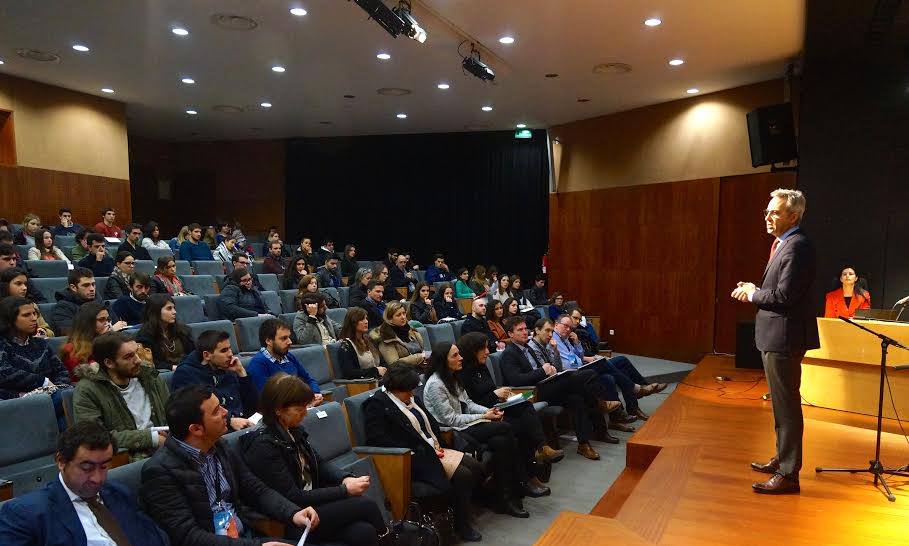
On the 15th of March, the Culture Palace of S. João da Madeira hosted the kickoff meeting of the project “European Challenges and Opportunities”. The meeting started with a welcome note by the Mayor, Mr. Ricardo Figueiredo and continued with the presentation of the project. After a musical moment, young people had the opportunity to listen to the testimony of two local entrepreneurs. After that, the foreign partners of the project were presented.

A second meeting took place in the afternoon, where the delegates of the partners could discuss about the intellectual outputs, the timeline, the dissemination and the financial-administrative issues. During the evening and the following day, guests had also the time to visit São João da Madeira and Oporto.

logo-erasmus-plus

The ECO project is coordinated by Escola Inglesa, (Portugal) and is the result of the partnership between international entities such as Centro Tecnológico do Calçado, Município de S. João da Madeira (Portugal), the European Development Agency (Czech Republic), Twin Training International (England) and the University of Highlands and Islands (Scotland) and it is financed by the Erasmus+ programme.

The project will develop a training programme for unemployed people, aged between 17 and 30, in order to get them skilled in the entrepreneurship, creativity and innovation sectors. Young participants will also have access to workshops and coaching which will help them for free to organize their ideas and to find their first employment. Thanks to this programme, young people will be able to open their mind to a more global way of thinking and then will bring this enriching knowledge back to their fatherlands.

Thanks to EUDA’s extensive experience in international cooperation projects, our company will be able to organize an effective educational training programme in tourism, entrepreneurship, business and time management, which is going to take place in Prague, Czech Republic, in October 2016.

You can read more about the project here.

conferenza
public
kickoff meeting Portugal girls

GYMSEN: Piloting of the new programme will start in April

IMG_20160224_151201

On the 24th of February 2016 the partners of the GYMSEN project met again to discuss the practical issues connected to the training programme being created. The partners decided to create two types of training focusing on different target groups:

A) Training programme for institutionalised and demented elderly – this programme will focus more on the improvement of the altered cognition skills and sensory capacities.

B) Training programme for the healthy seniors – this programme will be created in a way that it increases the sensory capacities and so that it is entertaining and at the same time educative.

The piloting of the programme will start in April and it will take place in the following countries:

  • Greece – target group are patients with dementia and Alzheimer’s disease
  • Italy – target group are institutionalized elderly
  • Czech Republic – target group are healthy seniors
  • Spain – target group are healthy and active seniors attending the courses of the University of the Third Age

You can read more about the project in the website of the projectHERE you can download the 1st press release.

gymsen_logo